

Getting Started as a Designer Outside of Your Full Time Job
I want to do this properly, but I have a full time job. Where do I even start?

A lot of designers come to us with some version of the same question: I want to do this properly, but I have a full time job. Where do I even start?
It’s one of the most common situations we hear about, and honestly, it’s also one of the most realistic ways to build a design career. You don’t have to quit your job to get started. But you do have to be honest with yourself about what this actually takes.
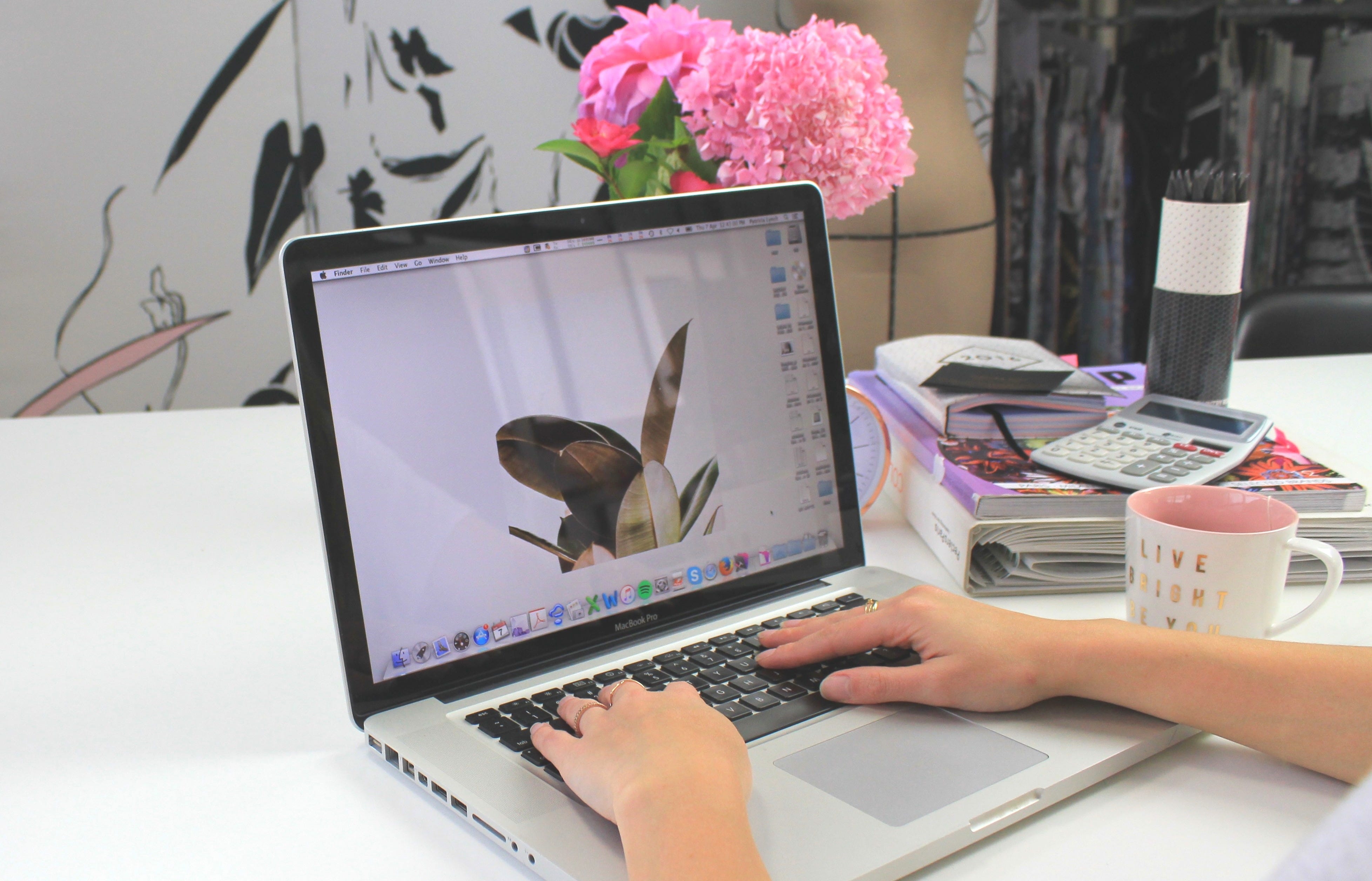
First, know where you’re starting from
Your path looks different depending on your experience level, and it’s worth being clear-eyed about that before you do anything else.
If you already have industry experience, you know how to work in Photoshop efficiently, you make fast design decisions, and you understand what commercial work actually looks like, then you’re ready to start building your portfolio right now. Aim for one design per day if you can manage it, or set aside a weekend block and produce five. The target to work towards before you start approaching clients is fifty designs. That’s not an arbitrary number. It’s the minimum you need to show genuine range and give buyers something real to respond to.
If you’re earlier in the journey and don’t have that foundation yet, the most important question is: can you get some? Is there a way to do four days in your current role and use the fifth for an internship at a studio? Can you assist a working designer one day a week? That kind of direct exposure to how commercial design actually operates is the fastest way to close the gap, faster than any amount of self-directed practice in isolation.
The reality of building something on the side
Let’s be honest about this part, because most advice glosses over it.
Working full time and building a design business on the side is a hard slog. There is no version of this that doesn’t require real hours and sustained effort. You’re going to be working evenings, weekends, the gaps in between.
Whether that’s sustainable depends entirely on you, your energy levels, your life, and what your day job actually takes out of you. Some people have roles that leave them with enough left over to build something serious on the side. Others find that full time work consumes everything, and pushing through that leads to burnout fast.
Know yourself before you commit. Be realistic about how much you actually have to give after your working day, not how much you wish you had. Burning out six weeks in helps no one.
The designers who make this work aren’t necessarily the ones with the most time. They’re the ones who protect the time they do have and use it with intention.
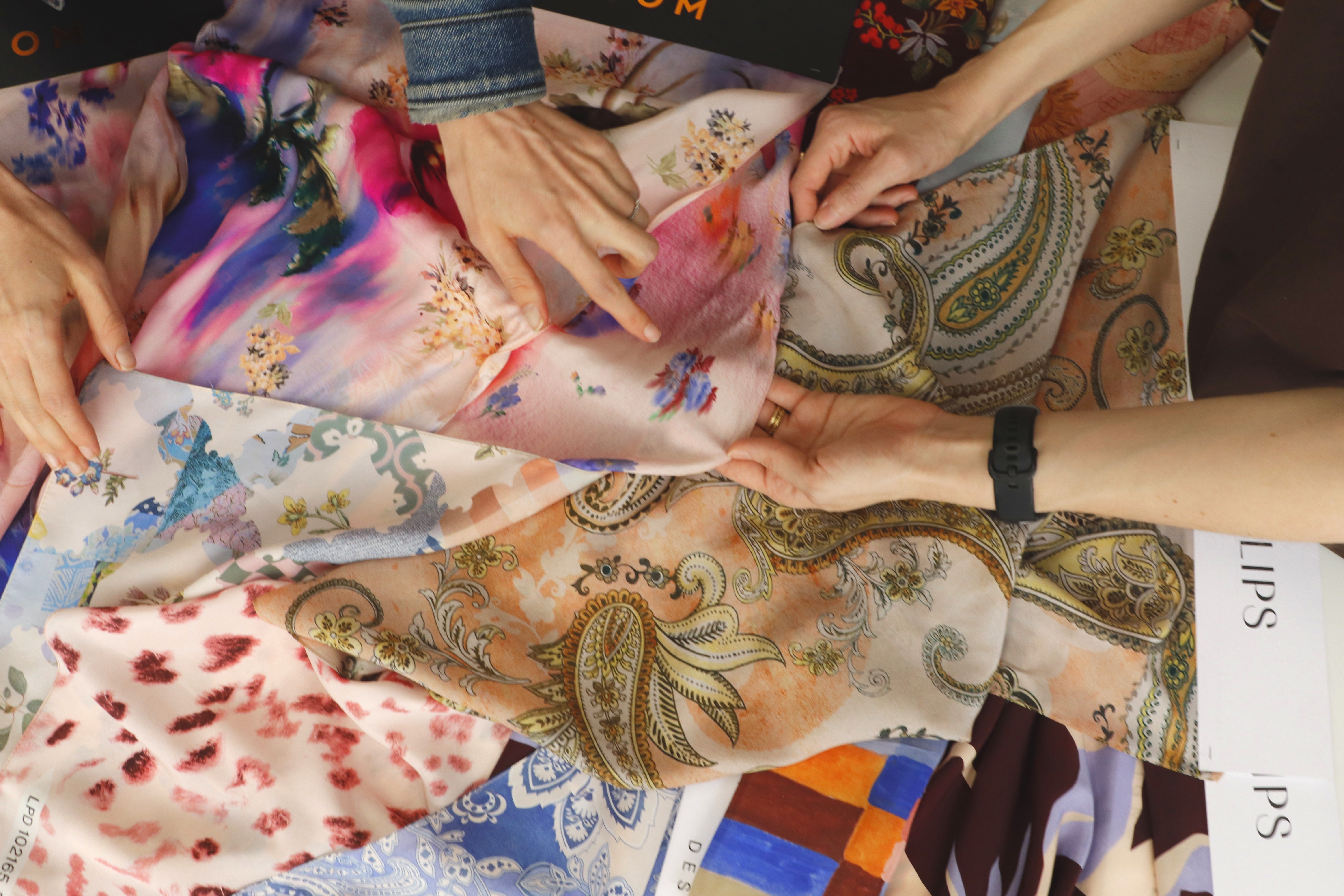
Two milestones worth knowing
There’s an important distinction that most people don’t make when they’re thinking about this, and it’s worth making clearly.
Being ready to approach clients and being ready to go part time or full time are not the same thing. They’re two separate milestones, and confusing them is how people make premature decisions they regret.
Milestone one: ready to approach clients
This can happen while you’re still in your day job. In fact, that’s the recommended path. Before you approach anyone, you need a body of work that’s genuinely industry standard, relevant to the specific market you’re designing for, and large enough to show real range. Fifty designs is a solid benchmark.
But how do you know if you’re actually there? Get feedback from someone with real industry knowledge before you start knocking on doors. If you’re part of The Print School community, submit your work in the group. We’ll tell you honestly where you stand. Alternatively, the Print Design Career Accelerator is built around exactly this, specific briefs, real submissions, and direct critique from people working in the market every day (myself and the LPD team). It’s the clearest way to find out whether your work is ready for professional buyers, before you find out the hard way.
Milestone two: ready to go part time or full time
This is a different question entirely, and the answer should come from the market, not from how ready you feel.
You’re ready to reduce your day job hours when the design work is already selling. When you have clients returning, when the pipeline is forming, when the income from your design work is proving itself in real terms. That’s the signal. Not a feeling, not a portfolio size, not encouragement from people who love your work.
Build the client base while you still have the security of your salary. Then make the leap from a position of evidence, not hope.

The short version
Start now, with whatever time you have. Be efficient with it. Get to fifty designs. Get honest feedback before you approach the market. Make your first sales before you change your employment situation. Then use those results to decide your next move.
It’s not a fast path. But it’s a real one.
Not sure if your work is ready?
Submit it to The Print School community and find out. Or if you want structured feedback with industry briefs and direct critique, the Print Design Career Accelerator is where to start.
→ Print Design Career Accelerator
Bec and the TPS team x