

Why Aren’t My Designs Selling?
The question that can keep you awake at night.
It’s one of the most common questions we hear from designers at every stage of their career. You’ve put in the work. You have designs. Maybe you even have a shop. But the sales aren’t coming, or they’re not consistent, and you’re not sure why.
The honest answer is: it’s rarely just one thing. Let’s walk through it.
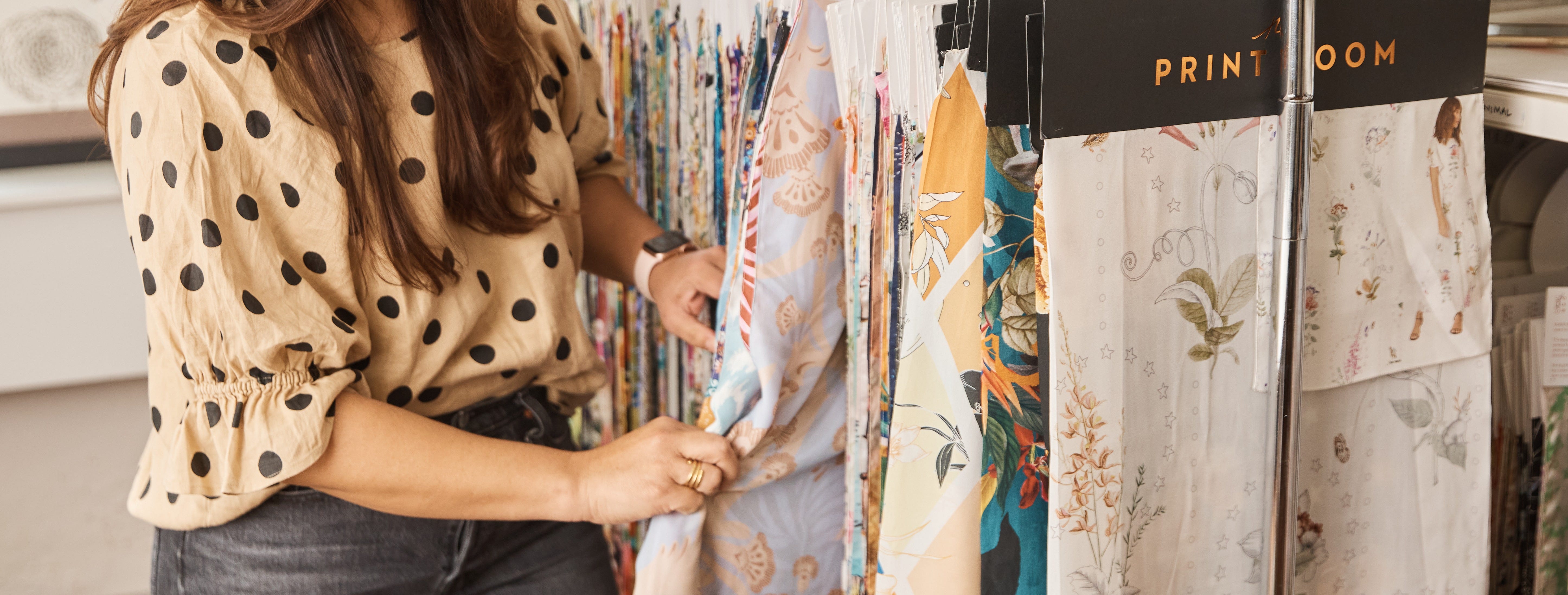
The honest answer is it’s rarely just one thing. So, let’s walk through it.
Play to Your Strengths
If watercolour florals take you three times longer than anything else and you’re never quite happy with the result, put them aside for now. This isn’t about limiting yourself. It’s strategy.
To sell, you need a body of work. Buyers need to see depth and consistency in your portfolio before they’ll commit. You can’t build that if you’re spending most of your time struggling with styles that don’t come naturally to you yet.
Focus on what flows. The design types that come easily, where you produce good work quickly and actually enjoy the process, are where your energy should go right now. Build volume there first. Expand your range later, once you have something solid to stand behind.
Do You Have a Vision for Your Work?
Who are you actually designing for?
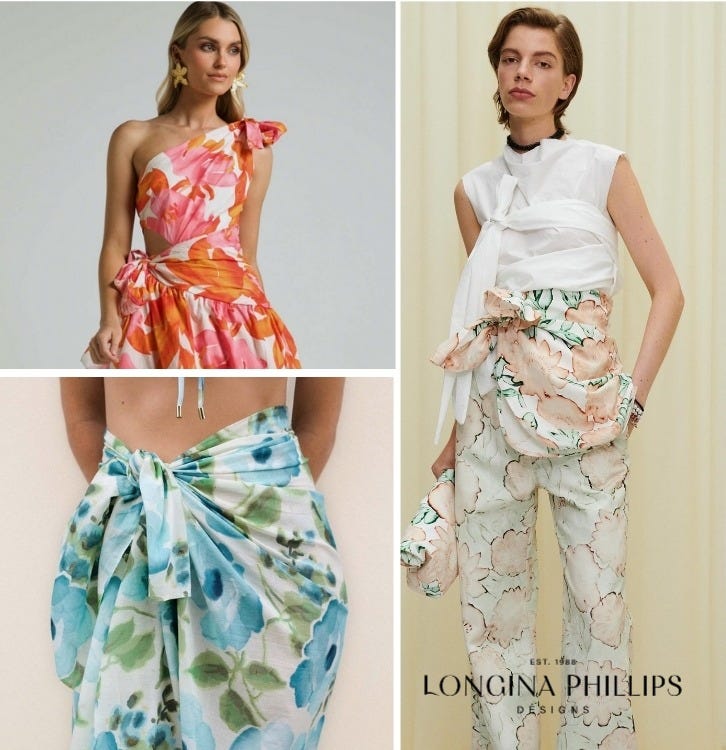
If the answer is “anyone who’ll buy it,” that’s part of the problem. Designers who sell consistently are designing with a specific client and product in mind from the very beginning. Before you start a collection, ask yourself: where do I see this? A women’s wear range? A homewares line? A stationery brand? Children’s clothing?
The answer changes everything. The scale of the repeat, the colourways, the style, the complexity. Designing without a destination in mind often produces work that’s technically fine but commercially vague. And vague doesn’t sell.
Who Is Actually Buying Your Designs?
This is something a lot of designers genuinely don’t know, and it’s worth understanding clearly.
There are two main types of buyers in the textile industry. The first are the brands themselves, clothing labels, homewares companies, stationery brands. They have in-house design teams or buying managers who source prints and patterns for their ranges. The second are manufacturers and suppliers who produce on behalf of those brands. Fabric mills, print houses, garment manufacturers. These companies often need designs too, and they’re purchasing on behalf of the brands they supply.
Both are legitimate routes to a sale. The key difference is how decisions get made. When you’re selling to a supplier, a fabric mill or print house for example, they often can’t say yes on the spot. They may love your work, but they need to go back to the brand they’re supplying and get sign-off before anything moves forward. That means a longer wait and more uncertainty. When you’re selling direct to a brand, and the right person is in the room, a decision can happen there and then.
Neither route is better than the other. But knowing what you’re walking into means you won’t read the silence wrong.
If this kind of industry thinking is new to you, our Ultimate Handbook for Surface Designers covers how the commercial print world actually works, who the players are, how buying decisions get made, and how to position yourself within it. It’s $9.99 and it’s the foundation we’d recommend before anything else.
How to Actually Reach Them
Instagram is a good starting point for identifying brands that align with your aesthetic. LinkedIn is where you find the actual decision-makers. Look for job titles like Textile Buyer, Design Manager, or Product Developer.
Once you’ve found them: email. Personalise it, keep it short, and make it easy for them to see your work immediately. Don’t send a generic “please look at my portfolio” message. Reference their brand, show you’ve done your homework, and make it obvious why your work is relevant to them.
Have You Set Your Shop Up Properly?
If you have an ecommerce shop, set each client up with their own unique login. Their own username, their own password. Include those details in your outreach email. You want the path from "I received your email" to "I'm browsing your designs" to be as frictionless as possible. The fewer steps, the better.
Are You Staying Front of Mind?
Getting in front of a buyer once is rarely enough. Most sales happen after multiple touchpoints, and that means having a system.
Email automation doesn’t have to be expensive or complicated. Free options including Mailchimp, MailerLite, Brevo, and Zoho Campaigns all let you set up sequences and send regular updates to your buyer list without writing every email from scratch. The goal is simple: stay on their radar without becoming noise.
They’re Looking But Not Buying — Now What?
If buyers are logging into your shop but not purchasing, that’s actually useful information. The problem isn’t your outreach. It’s something about the work itself, or how it’s presented.
Ask yourself some hard questions. Are your designs genuinely industry standard? That means clean, printable repeats that tile correctly, colourways that work in production, and an aesthetic that reflects what’s actually happening in the market right now.
Be honest with yourself about whether what you’re offering is ready for professional buyers, or whether it still needs work.
So Why Aren’t Your Designs Selling? Here’s the Honest Answer.
It usually comes down to one or more of these:
1. The skill set isn’t there yet, and that’s okay. Every working designer was at this stage once. The gap between making designs you love and making designs buyers will pay for is real, and it closes with industry experience and the right training. The question is whether you’re actively working to close it.
2. You’re not tracking trends closely enough. This doesn’t mean chasing every micro-trend. It means knowing what’s retailing right now, what’s coming off the runways, and keeping your eyes open to where culture is moving. What is Taylor Swift wearing to Wimbledon? It sounds trivial. It isn’t.
3. You’re not presenting the right prints to the right people. If you’re heading into an appointment or emailing a portfolio, are your designs relevant to the season, the product, and the customer that brand is selling to? Relevance is not a nice-to-have. It’s the whole game.
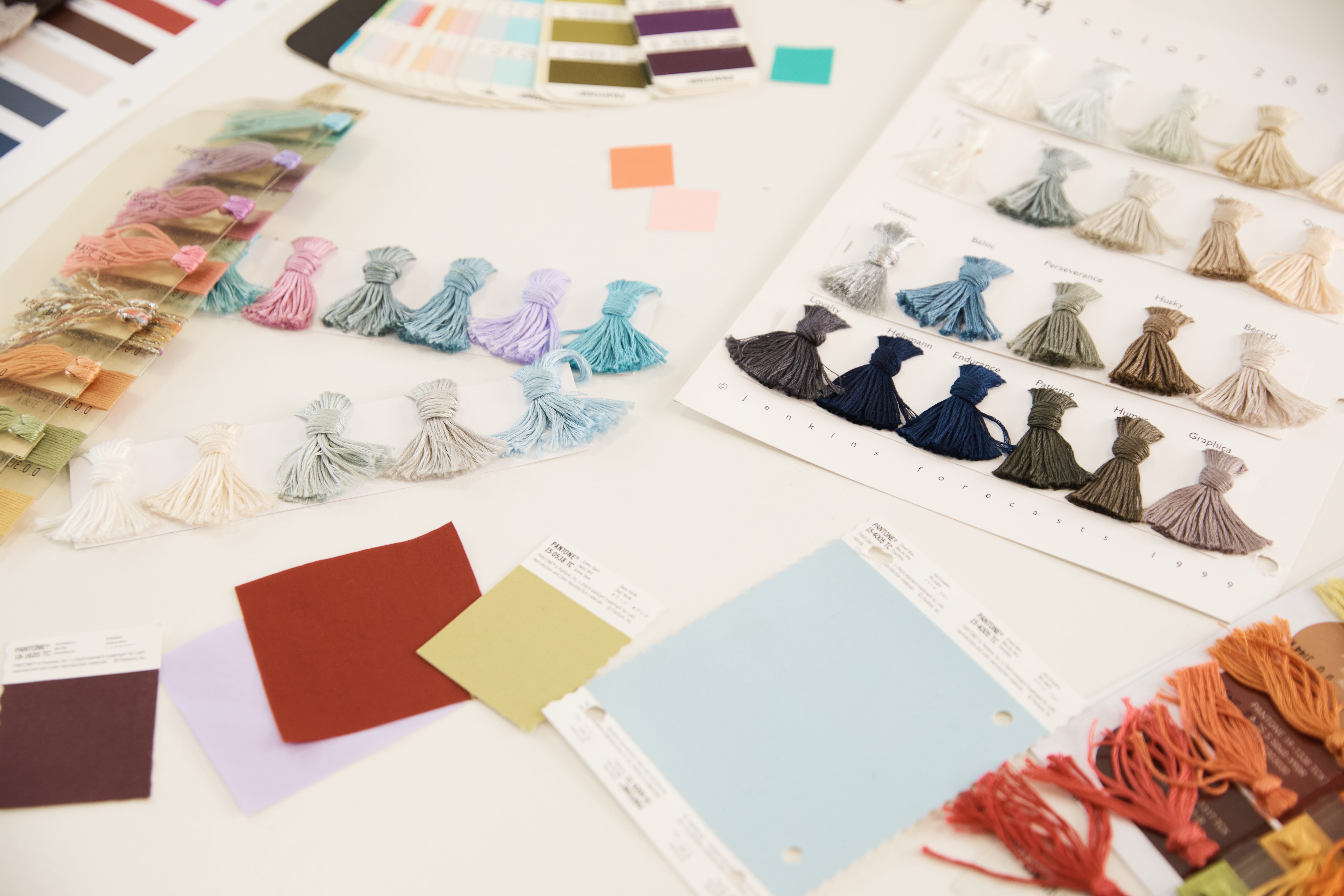
4. Colour. Colour is the first thing a buyer responds to, emotionally, before they even register the detail of the print. Focus on combinations that are current, forward-thinking, and original enough to give your collection a point of view. Great colour invites a buyer in. Weak colour closes the door before they’ve even looked at the print.
5. Volume. You may simply not have enough work out there. One collection sent to three brands is not a numbers game you can win. Building a sustainable pipeline means building a body of work, staying in contact, and showing up consistently over time.
Need Help Figuring Out What’s Not Working?
If you’ve worked through everything above and you’re still not sure where your designs are falling short, that’s exactly what our Print Design Career Accelerator is built for.
It’s a structured programme that takes your portfolio from where it is now to the standard professional buyers actually respond to. We look at your work with the same critical eye a buyer would, and we tell you honestly what needs to change and how.
It’s our most comprehensive course. It’s for designers who are ready to treat this as a career.
→ Find out more about the Print Design Career Accelerator here.
Or if you’re earlier in the journey and want to build your industry knowledge first, start with The Ultimate Handbook for Surface Designers, $9.99:
TPS x